
For individuals seeking protection under the Violence Against Women Act (VAWA), understanding current processing times and influencing factors is crucial for managing expectations during a sensitive period. VAWA provides a vital pathway for survivors of abuse—perpetrated by a U.S. citizen or lawful permanent resident spouse or parent, or another abusive family member—who have experienced extreme cruelty, to pursue immigration relief and self-petition for a Green Card. Historically, VAWA processing times have fluctuated and have taken several years for cases to be resolved, particularly for self-petitions. Individuals navigating through the VAWA application process can benefit from working with a professional VAWA immigration lawyer to speed up the time it takes to get their petition approved.
Key Takeaways: VAWA Processing Time
Current I-360 Processing Average
The processing time for Form I-360 (VAWA self-petitions) currently averages 46.5 months (approximately 4 years) for 80% of cases, based on USCIS reporting for 2026 (an increase from 41.5 months in 2025).
Total Application Timeline
The full VAWA application, including subsequent petitions like Adjustment of Status (Form I-485), can extend the overall timeline to over 4 years.
Deconstructed Timeline of Key Phases
The process is broken down into several phases with typical durations:
- Preparation and Filing: 1–2 months
- Receipt Notice (I-797C): 1–2 weeks
- Initial Processing/Review: 2–6 months
- Prima Facie Case Establishment: 3–9 months after filing
- Final Decision: 36–48 months (3-4 years) from initial filing
- Adjustment of Status (I-485): An additional 6–12 months after I-360 approval.
Factors Causing Delays
Processing times are significantly influenced by case complexity, USCIS workload and staffing, the issuance of Requests for Evidence (RFEs), the time taken for background checks, and the scheduling of an interview.
Importance of Legal Guidance
Working with an experienced VAWA immigration lawyer is crucial to ensure the application is complete and accurate from the outset, which can help mitigate delays from RFEs and other setbacks.
Advance Parole for Travel
Applicants with a pending Adjustment of Status (Form I-485) who need to travel outside the U.S. must secure an Advance Parole document (Form I-131). The typical processing time for this travel document is 3–6 months.
Navigating VAWA Processing in 2026
According to USCIS reporting, as of 2026, in 2026, the processing time for 80% of cases for VAWA self-petitions (Form I-360) take 4 years (46.5 months [1] (up from 41.5 months or 3.5 years in 2025). This figure represents the typical timeframe for the majority of cases to reach a decision, though individual experiences can vary.
The average time for 80% of cases to be completed is calculated by USCIS based on the median and typical durations for completed cases within a recent period, providing applicants with a general estimate of how long their petition may take. With that said, the full VAWA application process, often including subsequent petitions like adjustment of status (Form I-485), can extend the overall timeline to over 4 years, reflecting the intricate nature of these cases.
The typical VAWA processing time for each phase—such as initial petition review, biometrics, and adjustment of status—varies, and understanding these durations helps applicants manage expectations and prepare for each step. These timelines are subject to change, so consulting the USCIS website regularly is advisable for the most current information. Notably, the Administrative Appeals Office (AAO) reports that 100% of VAWA appeals are finalized within 180 days [2].
Applicants often have questions about the VAWA processing timeline, and the FAQs at the bottom of this article address common concerns such as biometric appointment scheduling, travel restrictions during the process, reasons for potential delays or denials, and how VAWA timelines compare to other visa types.
**Processing times are calculated from the USCIS processing time tool, using data from all field offices, all data is accurate as of February 2026. Please note that the data reflected here represents 80% of all cases, not 100%, so your individual case processing times may be different than those listed here.**
Deconstructing the VAWA Processing Timeline

Understanding the comprehensive VAWA process empowers individuals to navigate each phase effectively. Here’s a detailed breakdown of the VAWA processing timeline:
1.- Preparation and Filing (1-2 Months)
- Document Collection: Meticulous documentation is essential, including compelling evidence of abuse (e.g., police reports, medical records), proof of your legitimate relationship, and other pertinent materials required under VAWA.
- Filing the Petition: Your specialized VAWA immigration lawyer prepares and submits Form I-360 to USCIS. A USCIS receipt notice promptly acknowledges submission.
2.- Receipt Notice (1-2 Weeks)
- Confirmation of Receipt: Typically, within 1 to 2 weeks, USCIS dispatches a receipt notice (Form I-797C) with your unique case number for tracking. USCIS typically schedules a biometrics appointment within 4 to 8 weeks after filing a VAWA self-petition.
3.- Initial Processing (2-6 Months)
- USCIS Review: USCIS begins scrutinizing your petition, verifying completeness and basic eligibility, such as correct form submission and payment. During this stage, a preliminary review is conducted to check for completeness and clarity of your documents before moving to a more detailed review.
- Request for Evidence (RFE): Should USCIS require more information, a Request for Evidence (RFE) may be issued, potentially extending this phase by weeks or months.
4.- Prima Facie Case Establishment (3-9 Months)
- Prima Facie Determination: If USCIS finds sufficient preliminary evidence—meaning “on its face”—you will receive a “Prima Facie Case” notice (also known as a prima facie determination notice), usually 3 to 9 months after filing. The prima facie determination is critical because it may enable access to certain public benefits while waiting for approval of the petition.
5.- Additional Processing (6-12 Months)
- Detailed Review: USCIS conducts a thorough review, evaluating all evidence, performing background checks, and potentially scheduling an interview.
- Potential Interview: An interview, if deemed necessary, can add months to the duration depending on USCIS availability and your circumstances.
6.- Final Decision (12-18 Months)
- Approval or Denial: USCIS renders a decision after all reviews, typically 12 to 18 months from initial filing.
- Notification: You receive a formal decision notice (Form I-797). If your petition is granted, this is the approval notice, and USCIS issues this notice as a key milestone in your case. USCIS determines eligibility and completeness before issuing a final decision. If approved, you can proceed to the Green Card application. Once VAWA is approved, many must wait 1 to 3 years after I-360 approval to receive their Green Card, though some may experience longer wait times.
7.- Adjustment of Status (6-12 Months)
- Green Card Application: After VAWA approval, if eligible to adjust status in the U.S., you may file Form I-485 to secure lawful permanent residency. This subsequent process typically adds 6 to 12 months [3].
Most VAWA petitions in 2026 take 46.5 months, but it’s important to note that various factors, such as background checks, missing evidence, or policy changes, can delay adjudication and extend the overall timeline. USCIS processing backlogs arise from high application volumes and insufficient staffing, especially in the specialized Humanitarian, Adjustment, Removal and Travel Documents (HART) unit.
The timeline detailed here is not 100% accurate as each case is unique and timelines can vary as a result.
Factors Influencing VAWA Processing Times
| Factor | Impact on Processing Time/Detail | Estimated Time Added (Qualitative) |
| Case Complexity | Intricate details, extensive documentation, or unusual circumstances inherently demand longer review periods. | Can lead to substantial, general delays. |
| USCIS Workload | High application volumes or staffing shortages within USCIS can lead to processing delays. | Can lead to substantial, general delays. |
| Requests for Evidence (RFEs) | If not addressed promptly and comprehensively, RFEs can substantially prolong processing; failure to provide adequate or timely responses can lead to case denial or abandonment. | Potentially weeks or months. |
| Background Checks | Rigorous and comprehensive background checks, including FBI and inter-agency data sharing, are standard and contribute to the overall duration. | Contributes to the overall duration. |
| Interview Requirements | Should an interview be necessary, it can add several months to the timeline. | Can add several months. |
| Personal Circumstances | Maintaining current contact information with USCIS is crucial to avoid notice delays. Relocation without proper notification can also cause significant delays or lead to missed notices. | Can cause significant delays. |
| Policy Changes | Modifications in USCIS policy or procedure can directly impact and alter processing times. | Can lead to substantial, general delays. |
Risks & Caveats in VAWA Processing
While VAWA offers a critical pathway to safety, applicants should be aware of potential challenges:
- Evidence Scrutiny: USCIS rigorously examines all evidence. Inconsistencies or insufficient documentation can lead to RFEs or denials.
- Policy Shifts: Immigration laws and policies can change, potentially affecting eligibility or processing procedures during an application.
- USCIS Discretion: While guidelines exist, USCIS officers have discretion in evaluating evidence and making decisions, leading to variable outcomes.
- Unforeseen Delays: Processing times are estimates and can be impacted by external factors such as government shutdowns, natural disasters, or unexpected backlogs.
- Inadmissibility Issues: Despite VAWA waivers, certain criminal histories or past immigration violations can complicate a case, requiring specialized legal intervention.
- Loss or Destruction of Evidence: The inability to provide crucial supporting documents, even due to circumstances beyond the applicant’s control, can severely jeopardize a petition.
VAWA Requirements: Optimizing Your Application

Meeting all VAWA requirements precisely from the outset is essential for efficient processing. An experienced VAWA lawyer can meticulously ensure your application adheres to all criteria from its inception. Collaborating with qualified legal professionals, such as the seasoned attorneys at Alonso & Alonso Attorneys at Law, helps ensure the precision and thoroughness of your application from the very beginning.
| Requirement Category | Purpose | Key Documentation |
|---|---|---|
| Proof of Qualifying Abuse | Establish that the abuse was inflicted by a U.S. citizen or Legal Permanent Resident (LPR) spouse, parent, or child. |
|
| Bona Fide Relationship | Demonstrate that a genuine, qualifying relationship existed with the abuser. |
|
| Good Faith Marriage | (For spouse petitions only) Show the marriage was entered into genuinely and not solely for immigration benefits. |
|
| Co-residency with Abuser | Confirm that you lived together with the abuser in the United States. |
|
| Good Moral Character | Prove that you are a person of positive moral standing, free from disqualifying criminal history. |
|
Proactively providing complete and accurate documentation can significantly mitigate delays stemming from RFEs. Read our guide on VAWA Requirements to learn more.
Pathways to VAWA Relief
Several distinct pathways exist for VAWA applications, tailored to your specific circumstances:
1.- VAWA Self-Petition (Form I-360):
- Eligibility: Available to abused spouses, children, or parents of U.S. citizens or lawful permanent residents.
- Process: Involves filing Form I-360, Petition for Amerasian, Widow(er), or Special Immigrant.
- Requirements: Requires robust proof of abuse, compelling evidence of a genuine relationship, and demonstration of good moral character.
2.- VAWA Cancellation of Removal:
- Eligibility: Designed for individuals currently in deportation proceedings or those with existing deportation orders.
- Process: Requires filing Form I-360 and seeking a cancellation of removal proceedings.
- Requirements: Demands strong abuse evidence, in addition to meeting specific U.S. presence and residence criteria. An immigration appeal lawyer can be crucial in these cases, especially when facing deportation.
3.- VAWA Adjustment of Status (Form I-485):
- Eligibility: For approved I-360 petitioners who are already present in the U.S.
- Process: Involves filing Form I-485 to transition into a Green Card holder. Applicants may be eligible for concurrent filing of Form I-360 and I-485, which can expedite access to interim benefits such as work permits and advance parole. VAWA petition approval is a key step before applying for lawful permanent resident status.
- Requirements: Requires an approved I-360 petition (having an approved VAWA self-petition is a crucial milestone before proceeding to adjustment of status) and meeting all eligibility criteria for adjustment of status. Upon approval, successful applicants obtain lawful permanent resident status.
4.- VAWA Petitions for Various Family Members:
- Eligibility: Encompasses abused spouses, children, or parents of U.S. citizens. If the abuser is a U.S. citizen, the applicant is considered an immediate relative, which can speed up visa availability.
- Process: Entails filing Form I-360, meticulously detailing the abuse situation.
- Requirements: Calls for substantial abuse evidence, proof of the qualifying relationship, and demonstration of good moral character.
An experienced immigration attorney, including an asylum lawyer if your circumstances involve fear of return, can expertly guide you through the most appropriate pathway, ensuring your application is meticulously prepared and entirely accurate.
Self-Petitioning with Form I-360
Form I-360 empowers individuals to pursue independent Green Card applications, liberating them from reliance on their abuser. This means the applicant does not need the abuser’s cooperation or knowledge to file. This form is specifically designed for survivors of domestic violence who are spouses, children, or parents of U.S. citizens or lawful permanent residents.
To initiate this process, you must complete and submit Form I-360 along with comprehensive supporting evidence, including:
- Detailed documentation of abuse (e.g., police reports, medical records, witness affidavits).
- Clear proof of a genuine relationship with the abuser.
- Evidence demonstrating your good moral character.
- Proof that the marriage was entered into in good faith.
Once submitted, USCIS rigorously reviews your application. If approved, you can then proceed with the Green Card application to secure lawful permanent residency.
Self-petitioning under VAWA offers significant benefits:
- It establishes a secure pathway to safety and legal status, independent of the abuser’s control.
- It provides freedom from the manipulation and fear inherent in an abusive relationship.
- It grants the ability to pursue an independent future and achieve stability.
- It offers greater security, allowing survivors to courageously rebuild their lives.
The USCIS Investigation Process
Upon submission of a VAWA petition, USCIS initiates a thorough investigation to verify the validity of your claims and ensure compliance with all requirements.
USCIS meticulously reviews all information and evidence within your petition, encompassing:
- Documentation unequivocally proving abuse, the qualifying relationship, and residency.
- Supporting statements from trusted friends, family, or relevant professionals.
- Rigorous background verification, often involving FBI checks and cross-referencing with other agencies.
In certain instances, USCIS may conduct supplementary background checks, request additional information through RFEs, or even perform unannounced site visits (though rare for VAWA cases, they are a possibility in USCIS investigations). Should discrepancies or concerns arise, they may contact relevant sources or seek further clarification.
The intensity and thoroughness of this investigation directly influence processing time. While USCIS strives for efficiency, additional verification demands can prolong timelines. Prompt and comprehensive responses to RFEs help mitigate delays, whereas complications in evidence gathering can significantly extend the overall processing duration.
Advance Parole and Travel During VAWA Processing
Advance Parole is an important resource for VAWA applicants who may need to travel outside the United States while their adjustment of status application (Form I-485) is pending. This special travel document, obtained by filing Form I-131 (Application for Travel Document) with USCIS, allows you to leave and re-enter the U.S. without jeopardizing your pending adjustment of status. It is important to note that Advance Parole is not automatically granted with a VAWA petition (Form I-360) and is specifically used for those awaiting I-485 approval. Attempting to travel abroad without approved Advance Parole while your I-485 is pending can result in USCIS considering your application abandoned, making it essential to secure this permission before making any travel plans.
Advance Parole Processing Time
The typical processing time for Advance Parole is generally between 3 and 6 months, though this can vary depending on USCIS workload and the specifics of your case. In certain situations—such as urgent humanitarian circumstances or when there is a clear USCIS error—expedited processing may be available. After submitting your application, you will receive a receipt notice from USCIS, which allows you to track the status of your Advance Parole request online.
To minimize delays, it is highly recommended to file your Advance Parole application concurrently with your VAWA self-petition and adjustment of status (Form I-485). This proactive approach can help streamline the VAWA process and reduce the risk of extended waiting periods. Additionally, working with an experienced immigration attorney ensures that your application is complete, accurate, and supported by all necessary documentation, helping to avoid requests for evidence and other common setbacks.
How to Qualify for Advance Parole
Eligibility for Advance Parole is generally extended to VAWA self-petitioners who have a pending adjustment of status application or who have been granted deferred action by USCIS. To qualify, you must demonstrate a compelling reason for travel, such as a family emergency or urgent business matter. It is crucial to consult with an immigration attorney before making any travel plans, as leaving the U.S. without Advance Parole can result in the denial of your VAWA petition or adjustment of status.
Advance Parole is an essential safeguard for VAWA applicants who need to travel internationally during the VAWA process. By understanding the eligibility requirements, processing time, and the serious implications of traveling without this document, you can protect your VAWA case and minimize delays. Partnering with an experienced immigration attorney can provide invaluable guidance, ensuring your application is handled efficiently and your rights are fully protected throughout your journey to lawful permanent residence.
Green Card Timeline Following VAWA Approval
Once your VAWA petition secures approval, the subsequent critical step involves applying for a Green Card via Form I-485 (Application to Register Permanent Residence or Adjust Status). After approval, you will receive an approval notice from USCIS, which is required for the next steps in your immigration process.
This Green Card process typically unfolds over 6 to 12 months and encompasses:
- Form I-485 Submission: The formal application for adjustment of status.
- Biometrics Appointment: Collection of fingerprints and other biometric data (usually within weeks of submission).
- Possible Interview: Some cases may necessitate an interview (scheduled months after biometrics).
- Final Decision: The ultimate determination, which generally takes weeks to months following an interview or comprehensive application review.
If you are not an immediate relative, it is important to monitor your priority date for visa availability, as listed in the Visa Bulletin, since your ability to proceed with adjustment of status depends on when your priority date becomes current.
It’s important to note that a VAWA I-360 approval does not guarantee I-485 approval. Issues like new criminal history, changes in eligibility, or an I-485 application that fails to meet all requirements can still lead to denial. Engaging experienced legal counsel can significantly streamline this process and avert delays that might otherwise extend the 6-12 month timeline. If your abuser is a U.S. citizen, you are treated as an immediate relative, allowing a faster adjustment process without quota restrictions.
Applicants with a pending I-485 may also apply for an advance parole document, which allows travel outside the U.S. without abandoning their adjustment of status application.
Impact on the Abuser
While VAWA’s primary focus remains victim protection, it can indirectly generate legal consequences for abusers. When survivors file VAWA petitions, the required evidence of abuse—such as police reports, medical records, or personal statements—can trigger criminal investigations or lead to restraining orders against the abusers.
These legal actions can profoundly impact an abuser’s legal standing and potentially result in charges like assault or harassment. For non-citizen abusers, legal complications, particularly criminal charges, can severely affect their immigration status. While VAWA does not automatically mandate deportation, a criminal record involving domestic violence can significantly complicate their immigration proceedings.
Beyond legal ramifications, VAWA profoundly empowers victims by enabling them to seek safety and independence without the paralyzing fear of losing their immigration status. This fundamentally disrupts the power and control dynamics abusers typically exploit, significantly altering their capacity to manipulate or intimidate survivors.
Comparing Immigration Relief Options for Survivors of Abuse
For survivors of abuse, understanding the available immigration pathways is crucial. While VAWA is a primary route, other options might apply depending on specific circumstances.
Option | Best For | Pros | Cons | Notes |
VAWA Self-Petition (I-360) | Victims of abuse by a U.S. citizen or lawful permanent resident spouse, parent, or child who need to self-petition for immigration status. |
|
| Focuses on abuse by a USC or LPR family member. Allows victims to seek status without the abuser’s knowledge or consent. If the abuser is a citizen spouse, the case is considered an immediate relative petition, which may result in faster processing compared to cases involving a lawful permanent resident spouse. |
U Nonimmigrant Status (U Visa) | Victims of certain serious crimes (including domestic violence, sexual assault, and trafficking) who have suffered substantial mental or physical abuse and are helpful to law enforcement in investigating or prosecuting the crime. |
|
| Designed for victims of crimes who assist authorities. Can offer relief when VAWA criteria (e.g., qualifying relationship) are not met. |
Traditional Family-Based Petition (I-130) | Spouses, children, or parents of U.S. citizens or Lawful Permanent Residents in non-abusive relationships. |
|
| This is the standard pathway for family-based immigration. It is generally not advisable for victims of abuse, as it does not provide the same protections or independence as VAWA. |
Choose VAWA Self-Petition if…
- You are an abused spouse, child, or parent of a U.S. citizen or lawful permanent resident.
- You need to gain immigration status independently of your abuser and without their knowledge or cooperation.
- You have substantial evidence of abuse and a qualifying relationship.
- As a VAWA petitioner, if your case faces unreasonable delays, you may consider a mandamus lawsuit to compel USCIS to make a decision.
Choose U Nonimmigrant Status (U Visa) if…
- You are a victim of a serious crime (including domestic violence) and have suffered significant harm.
- You have cooperated or are willing to cooperate with law enforcement in the investigation or prosecution of the crime.
- You may not have a qualifying relationship with a U.S. citizen or LPR abuser under VAWA rules.
Avoid a Traditional Family-Based Petition if…
- You are experiencing abuse from your U.S. citizen or LPR spouse or parent. This pathway would keep you dependent on your abuser.
- You need to protect your confidentiality and safety during the immigration process.
How Alonso & Alonso Can Help
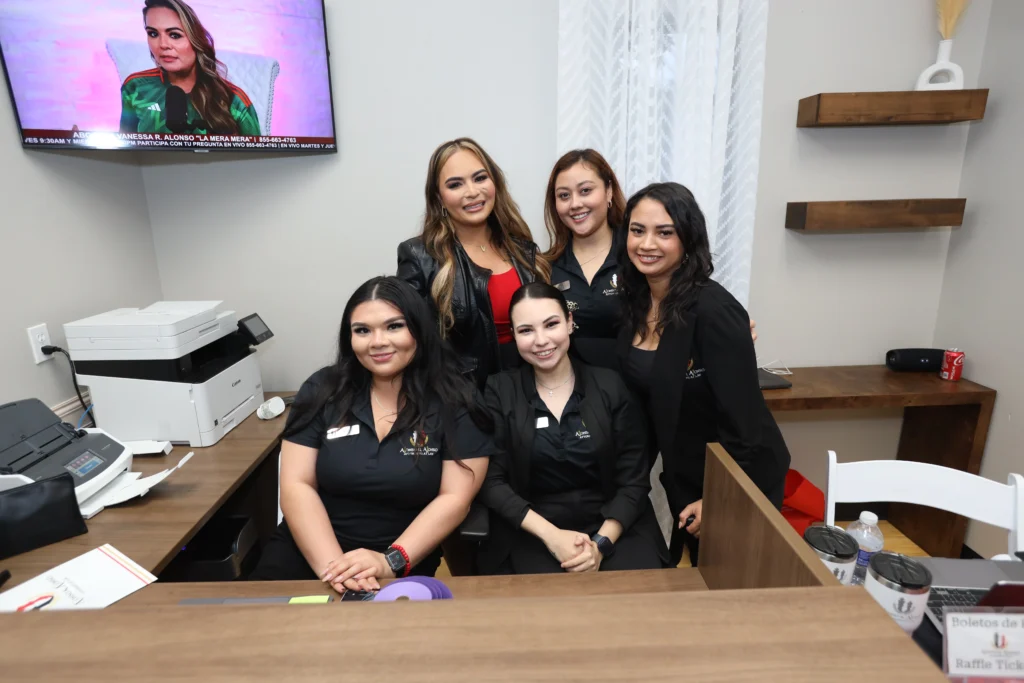
A complete and meticulously documented VAWA petition from the outset can significantly streamline processing. Submitting a thorough and well-documented VAWA petition is the best way to avoid delays. Collaborating with an experienced immigration attorney, particularly one adept in the nuances of victim-based immigration relief like VAWA and U-visas, can profoundly influence the ultimate outcome of your case.
At Alonso & Alonso Attorneys at Law, our dedicated team specializes in helping immigrants secure legal status without ever having to leave the country. We ensure your application is not only thorough but also accurate, potentially expediting the review process and helping you circumvent common pitfalls that cause delays. The entire VAWA process, from initial filing to receiving a Green Card, can last 4 to 5 years or more. Our comprehensive immigration services are tailored to meet your unique needs.
Our experienced legal professionals deeply understand the complexities of VAWA cases and provide personalized, compassionate attention to each client. We empower you to navigate this entire process with confidence, secure in the knowledge that your case is managed by seasoned professionals with over 15 years of invaluable experience.
Contact us today for a confidential consultation to discover how we can help safeguard your well-being while securing your immigration status. Remember, you don’t have to face this journey alone. We are here to help you explore your options safely and confidentially.
Frequently Asked Questions About VAWA Processing
Here are answers to common questions about the VAWA process:
Can I obtain a work permit while my VAWA self-petition is pending?
Yes, once your Form I-360 is approved and you have a prima facie determination, you may be eligible to apply for an Employment Authorization Document (EAD) using Form I-765. The VAWA Work Permit Timeline varies: if you file for adjustment of status (Form I-485) together with your VAWA petition, you may receive your EAD in about 6–12 months; if you apply after approval, the wait time may differ. In some cases, USCIS grants deferred action to VAWA self-petitioners, which provides temporary protection from deportation and allows eligible individuals to apply for employment authorization. Our firm can assist you in exploring this option.
What if I have already separated from my abuser? Can I still apply for VAWA?
A: You can typically still file for VAWA even if you have separated from your abuser, provided you can demonstrate that the separation is due to the abuse and you meet other eligibility criteria. It is generally advised to file within two years of divorce, though exceptions may apply.
Is it possible for USCIS to deny my VAWA petition?
A: Yes, VAWA petitions can be denied if there is insufficient evidence of abuse, a lack of a qualifying relationship, or if the applicant does not meet good moral character requirements. Other reasons for denial include misrepresentation, failure to respond to an RFE, or filing outside of statutory deadlines. This underscores the importance of a meticulously prepared application.
Do I need legal representation for a VAWA case?
A: While not legally required, having an experienced immigration attorney can significantly increase your chances of approval. A lawyer can help gather evidence, prepare detailed statements, and respond to RFEs effectively, which is critical given the complexities of these cases.
How long does it take for VAWA to be approved?
A: VAWA cases can vary anywhere from 18 months to over 4 years, depending on USCIS workload & evidence provided, but on average, a VAWA petition will take 3.5 years to be processed. While you wait, you may qualify for work authorization & other protections. The team at Alonso & Alonso can guide you through each step to keep your case moving.
What is the 3-year rule for VAWA?
A: The “3-year rule” refers to cancellation of removal for VAWA self-petitioners in immigration court. To qualify, you must show 3 years of continuous physical presence in the U.S., good moral character & that removal would cause extreme hardship. We help you prove these factors with strong evidence.
How to speed up a VAWA case?
A: There’s no guaranteed way to fast-track VAWA, but you can avoid delays by submitting complete evidence, police reports, medical records & affidavits from the start. In urgent cases, we may request expedited processing based on safety, health, or humanitarian reasons.
Is VAWA still in effect in 2026?
A: Yes. VAWA protections remain in effect in 2026. The law has been consistently renewed since 1994, and immigrants who qualify can still apply for protection & status. Our role is to make sure you understand your rights & file a strong case
Follow us on social media to stay informed and send us your questions, never be left with a doubt.
Christopher Alonso
Vanessa R. Alonso
Author: Vanessa Alonso
