

Filing a petition to bring a family member to the United States is an act of hope, but the wait can be a source of great fear and uncertainty. The first crucial step in this journey is filing Form I-130, Petition for Alien Relative [1]. This petition establishes your qualifying relationship with your relative and officially begins the process of securing their future in the U.S. Understanding the I-130 processing time is not just about waiting; it’s about taking control. Knowing the timelines, the factors that cause delays, and the steps you can take to protect your case is essential. At Alonso & Alonso, our family immigration lawyers believe in arming you with the knowledge to navigate this process with strength and confidence.
Our experienced attorneys have a proven track record in handling complex I-130 and green card cases, ensuring thorough preparation and higher chances of approval.
Key Takeaways
-
Variability in Processing Time:
The I-130 processing time varies significantly based on your relationship to the beneficiary and whether you’re a U.S. citizen or green card holder.
-
Processing Time for Immediate Relatives:
Immediate relatives of U.S. citizens (spouses, parents, children under 21) currently face an estimated processing time of approximately 59.5 months according to data from all USCIS field offices.
-
Wait Times for Family Preference Categories:
Family preference categories (F1, F2A, F2B, F3, F4) face significantly longer waits of up to 183.5 months (over 15 years) due to annual visa backlogs.
-
Most Common Cause of Delay (RFEs):
Incomplete applications and Requests for Evidence (RFEs) are the most common preventable causes of delays, which can add 3-6 months or more to your processing time.
-
Checking Case Status:
You can check your I-130 processing time online using your receipt number through the USCIS Case Status portal.
-
Best Tool to Avoid Delays:
Ensuring your petition is properly filed; complete, accurate, and with all required documentation from the start is your most powerful tool to avoid delays.
Understanding I-130 Processing Times in 2026

The time it takes for U.S. Citizenship and Immigration Services (USCIS) to approve an I-130 petition varies significantly. Form I-130 processing is the first step in the overall process of sponsoring a family member for a green card, and the timeline depends on the sponsor’s legal status and their relationship to the applicant. The two most important factors are your status (U.S. citizen or lawful permanent resident) and your relationship to the family member (the beneficiary).
Petitions for immediate relatives of U.S. citizens are generally processed faster because there are no annual limits on the number of visas available to them. Other relatives fall into “family preference categories,” which have annual visa caps, often resulting in much longer waits.
As of February 2026, here are the estimated I-130 processing times from USCIS:
Annual quotas set by U.S. immigration law limit the number of visas available in certain family categories, which directly impacts processing times and wait periods. USCIS typically processes I-130 petitions in the order they are received, but may prioritize cases with shorter waitlists.
For preference categories (F1, F2B, F3, F4), the I-130 approval is just the first step. After approval, the beneficiary must wait for their “priority date” to become current before they can apply for a Green Card. This wait can be extremely long due to significant visa backlogs.
**Processing times are calculated from the USCIS processing time tool, using data from all field offices, all data is accurate as of February 2026. Please note that the data reflected here represents 80% of all cases, not 100%, so your individual case processing times may be different than those listed here.**
You can find processing time for other immigration visas and petitions here.
I-130 Processing Time For A Spouse In 2026
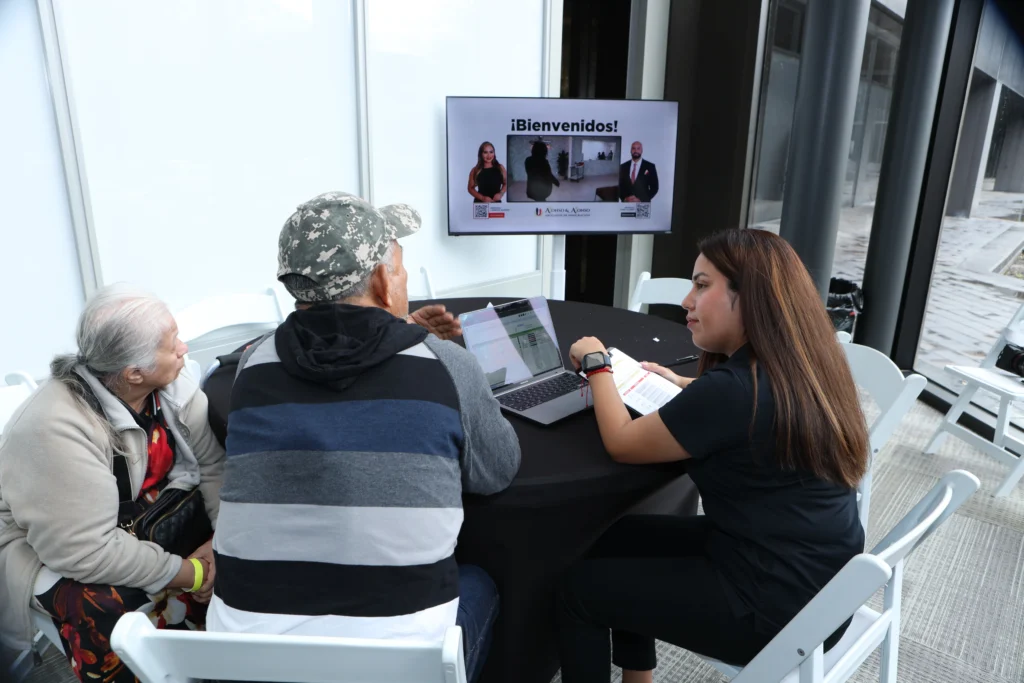
The I-130 processing time for a spouse depends entirely on whether you are a U.S. citizen or a lawful permanent resident (green card holder). This distinction makes a substantial difference in how long you’ll wait to reunite with your husband or wife.
Spouses of U.S. Citizens
If you are a U.S. citizen petitioning for your spouse, your husband or wife is considered an “immediate relative.” This is the fastest category for family-based immigration because there are no annual visa limits.
Current I-130 Processing Time: 80% of cases take 59.5 months
The advantage of this category is that once USCIS approves your I-130 petition, a visa number is immediately available. Your spouse can then proceed directly to either:
- Consular processing (if living outside the U.S.)
- Adjustment of status (if already in the U.S. legally)
Many couples who file the I-130 and I-485 (Adjustment of Status) together see their cases completed in less than a year, particularly when the spouse is already in the United States.
Spouses of Green Card Holders
If you are a lawful permanent resident petitioning for your spouse, the process takes significantly longer. Your spouse falls into the F2A family preference category, which has annual visa limits set by Congress.
Current I-130 Processing Time: 80% of cases take 106.5 months
Even after USCIS approves your I-130 petition, your spouse must wait for their priority date to become “current” according to the monthly Visa Bulletin before they can proceed to the next step. This additional wait can add months or even years to the total timeline.
Important Note: If you naturalize and become a U.S. citizen while your spouse’s I-130 is pending, you can upgrade the petition to the immediate relative category, which can dramatically reduce the total wait time.
I-130 Processing Time For Unmarried Children 21 Or Older
Unmarried sons and daughters who are 21 years of age or older fall into different categories depending on whether the petitioner is a U.S. citizen or a green card holder.
U.S. Citizens Petitioning for Unmarried Adult Children (F1 Category)
If you are a U.S. citizen petitioning for your unmarried son or daughter who is 21 or older, they fall into the F1 family preference category. This category has an annual visa limit of approximately 23,400 visas.
Current I-130 Processing Time: The petition approval itself may take 14-18 months, but the total wait time, including visa availability, is typically 155.5 months or about 13 years or longer.
The long wait is due to the severe backlog in this category. Even after USCIS approves your I-130 petition, your adult child must wait for their priority date to become current. For beneficiaries from countries with high demand (such as Mexico, the Philippines, India, and China), the wait can extend well beyond a decade.
Green Card Holders Petitioning for Unmarried Adult Children (F2B Category)
Lawful permanent residents can petition for unmarried sons and daughters over 21 through the F2B family preference category. This category faces similar challenges with visa backlogs.
Current I-130 Processing Time: The petition approval may take several years, with most wait times reaching 15 years, depending on the beneficiary’s country of birth.
Critical Timing Issue: If your unmarried child marries while the petition is pending, the petition becomes invalid. Green card holders cannot petition for married children at all, so the entire process would need to restart if you later become a U.S. citizen.
I-130 Processing Time for Married Children of U.S. Citizens
Only U.S. citizens can petition for married sons and daughters. Green card holders do not have this option. Married children of U.S. citizens fall into the F3 family preference category.
Current I-130 Processing Time: The petition approval itself may take 14-18 months, but the total wait time including visa availability is usually 157 months (approximately 13 years).
The F3 category is one of the most backlogged family preference categories. Congress sets strict annual limits on the number of visas available, and demand far exceeds supply. After USCIS approves your I-130 petition, your married child must wait for their priority date to become current according to the monthly Visa Bulletin.
Country-Specific Backlogs: Beneficiaries from countries with high immigration demand face even longer waits:
- Mexico: Often 20+ years
- Philippines: Often 15-20+ years
- India and China: Often 10-15+ years
The priority date you establish when you first file the I-130 is critical. Even though the wait is long, filing early secures your family member’s place in line. Delaying the filing only extends the total wait time.
I-130 Processing Time For Parents In 2026
U.S. citizens who are at least 21 years old can petition for their parents. Parents of U.S. citizens are considered “immediate relatives,” which is the fastest and most straightforward category for family-based immigration.
Current I-130 Processing Time: Approximately 60 months
Because parents fall into the immediate relative category, there are no annual visa limits. Once USCIS approves the I-130 petition, a visa number is immediately available, and your parent can proceed directly to:
- Consular processing (if living outside the U.S.)
- Adjustment of status (if already in the U.S. legally)
Important Requirements:
- You must be at least 21 years old to petition for a parent
- You must be a U.S. citizen (green card holders cannot petition for parents)
- You must prove the parent-child relationship with a birth certificate showing the parent’s name
- If petitioning for a stepparent, the marriage to your biological parent must have occurred before you turned 18
Parents of U.S. citizens enjoy one of the most favorable immigration pathways, with relatively predictable timelines and no visa backlog concerns.
I-130 Processing Time for Siblings of U.S. Citizens
U.S. citizens who are at least 21 years old can petition for their brothers and sisters. However, siblings fall into the F4 family preference category, which has the longest wait times of all family-based immigration categories.
Current I-130 Processing Time: The petition approval itself may take 14-18 months, but the total wait time, including visa availability, usually takes 183 months (approximately 15 years) for most countries.
Country-Specific Backlogs: For beneficiaries from high-demand countries, the wait is substantially longer:
- Mexico: Often 20-25+ years
- Philippines: Often 20-25+ years
- India: Often 15-20+ years
- China: Often 12-15+ years
The F4 category receives the smallest allocation of family preference visas each year, which creates severe backlogs. Even though the wait is measured in decades for many families, establishing your priority date early is critical. Your filing date determines your place in line, and that date never changes.
Important Considerations:
- Green card holders cannot petition for siblings
- Half-siblings qualify if you share at least one common parent
- You must prove the sibling relationship with birth certificates showing at least one common parent
- Your sibling’s spouse and unmarried children under 21 can be included as derivative beneficiaries
Despite the long wait, many families choose to file sibling petitions to secure their place in line, knowing that the wait will only grow longer with each passing year.
How To Check The Processing Time After Filing Form I-130
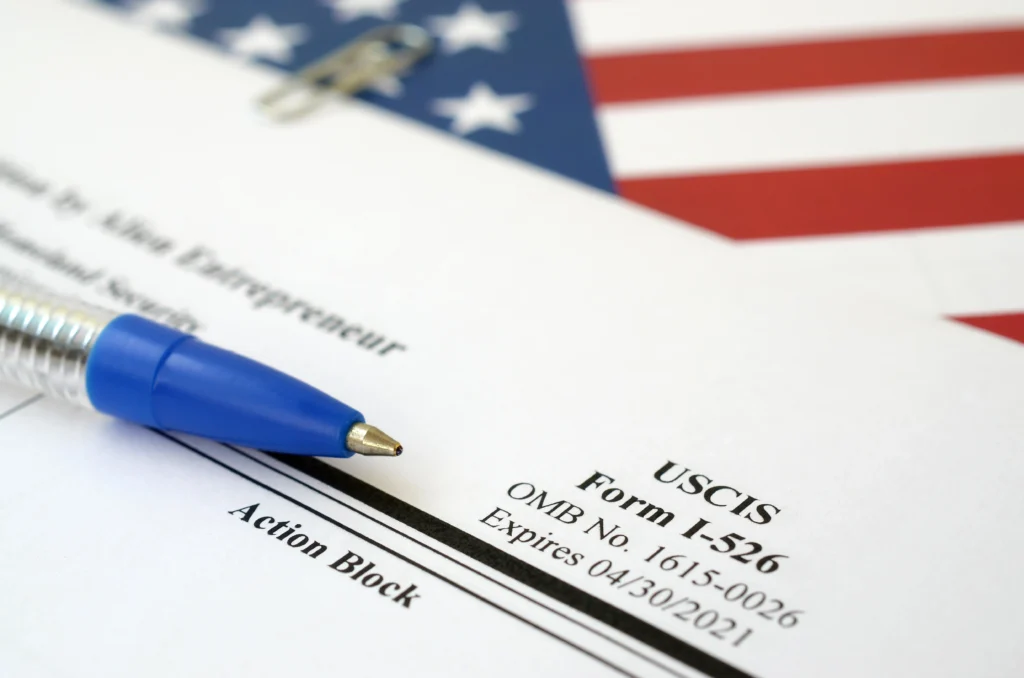
Staying informed about your I-130 processing time is essential. The processing period for Form I-130 can vary depending on several factors, and USCIS often tracks and reports these times based on fiscal year data. This helps applicants understand trends and plan accordingly. USCIS provides several tools to help you monitor your case status and understand how long the process is taking.
Step 1: Locate Your Receipt Number
After you file your I-130 petition, USCIS will send you a receipt notice (Form I-797C) within 2-4 weeks. This notice contains your unique 13-character receipt number that begins with three letters (such as EAC, WAC, LIN, SRC, NBC, MSC, or IOE) followed by 10 numbers [8].
Keep this receipt notice in a safe place. You’ll need the receipt number to check your case status throughout the entire process.
Step 2: Check Your Case Status Online
USCIS offers a free online tool to check your I-130 processing status:
- Visit the USCIS Case Status Online page at egov.uscis.gov/casestatus
- Enter your 13-character receipt number (omit dashes but include all other characters)
- Complete the security verification (captcha)
- Click “Check Status”
The system will display your current case status, such as:
- “Case Was Received”
- “Request for Additional Evidence Was Sent”
- “Case Was Approved”
- Other status updates
You can check your case status as often as you like. The system updates in real-time based on actions USCIS takes on your case [8].
Step 3: Review USCIS Processing Time Estimates
To understand whether your case is within normal processing times, use the USCIS Processing Times tool:
- Visit egov.uscis.gov/processing-times
- Select “I-130, Petition for Alien Relative” from the form type dropdown
- Select the USCIS office or service center handling your case
- View the current processing time range
The tool shows two key numbers:
- The processing time for 80% of all cases
- The receipt date for a case inquiry: If your case is older than this date, you may be eligible to submit a case inquiry
Step 4: Create a USCIS Online Account
For the most comprehensive case tracking, create a free account at my.uscis.gov. With an online account, you can:
- Receive automatic email or text alerts when your case status changes
- View the last five actions taken on your case
- Access and download official notices
- Manage multiple cases in one place
- Submit certain documents electronically
Step 5: Contact USCIS if Your Case Is Delayed
If your I-130 processing time exceeds the normal processing time shown on the USCIS website, you can:
- Submit a case inquiry online through your USCIS account or the USCIS Contact Center
- Call the USCIS Contact Center at 1-800-375-5283 (TTY: 1-800-767-1833)
- Schedule an InfoPass appointment at your local USCIS office (if available)
However, the most effective step is to consult with an experienced immigration attorney who can analyze your specific situation and determine the best course of action.
For additional guidance and resources, visit our Education and Resources page.
Factors That Affect I-130 Processing Time
Understanding what influences your I-130 processing time can help you take proactive steps to avoid delays. While you cannot control every factor, knowing what matters most allows you to focus on what you can control.
1. Your Relationship to the Beneficiary
The single most important factor affecting I-130 processing time is the relationship between the petitioner and the beneficiary:
- Immediate relatives (spouses, parents, and children under 21 of U.S. citizens) have the fastest processing times because there are no visa caps
- Family preference categories (F1, F2A, F2B, F3, F4) face much longer waits due to annual visa limits
2. Whether You’re a U.S. Citizen or Green Card Holder
U.S. citizens generally experience faster I-130 processing times than green card holders:
- U.S. citizens can petition for immediate relatives with no visa backlog
- Green card holders can only petition for spouses and unmarried children, who fall into preference categories with significant backlogs
3. USCIS Service Center Workload
Not all USCIS service centers process petitions at the same speed. The workload varies significantly between different offices:
- Service centers with lighter caseloads and adequate staffing process petitions faster
- Service centers with heavy backlogs and staffing shortages experience longer processing times
- USCIS assigns your petition to a service center based on your location, so you typically cannot choose which office handles your case
4. Overall Application Volume
National events and policy changes can trigger surges in immigration filings, which affects everyone’s I-130 processing time:
- When USCIS receives an unusually high volume of petitions, processing times increase across the board
- After a surge passes, processing times often improve
- Policy announcements or changes in immigration law can cause temporary spikes in filing volume
5. Completeness and Accuracy of Your Application
This is the factor you have the most control over. Incomplete or inaccurate applications cause significant delays:
- Requests for Evidence (RFEs): When USCIS needs additional information or documentation, they pause processing and send an RFE. You must respond within the deadline (typically 30-87 days), and then USCIS must review your response. This can add 3-6 months or more to your I-130 processing time
- Missing documents: Failing to include required evidence from the start triggers RFEs
- Errors on the form: Inconsistencies or mistakes raise red flags and slow processing
6. Changes in Immigration Policies or Procedures
Shifts in government policy, funding, security screening protocols, or technology can either accelerate or slow down processing:
- New security screening requirements can add time to background checks
- Changes in USCIS funding affect staffing levels and processing capacity
- Technology upgrades or system changes can temporarily slow processing
7. Country of Origin
For family preference categories, the beneficiary’s country of birth significantly impacts total wait time:
- Countries with high immigration demand (Mexico, Philippines, India, China) face much longer visa backlogs
- Beneficiaries from countries with lower demand may see their priority dates become current more quickly
- The monthly Visa Bulletin tracks visa availability by country and category
8. Whether You File Concurrently with Form I-485
If your beneficiary is already in the United States legally and a visa is immediately available, you can file the I-130 and I-485 (Adjustment of Status) together:
- Concurrent filing often results in faster overall processing
- Many immediate relative cases filed concurrently are completed in less than a year
- This option is only available when a visa number is immediately available (immediate relatives of U.S. citizens or when the priority date is current for preference categories)
Protecting Your Case from Common Delays
While you cannot control USCIS backlogs or visa availability, you can take powerful actions to prevent unnecessary delays that could add months or even years to your I-130 processing time.
Submit All Required Documents
Submitting all required supporting documents and supporting evidence—including financial documents such as tax returns and bank statements—is crucial to avoid delays.
When preparing your I-130 petition, make sure to include all required supporting documents: proof of citizenship or green card status, documents that prove your relationship is real, and financial documents like tax returns and bank statements. If you are filing by mail within the United States, be sure to send your application to the correct USCIS processing center, such as the Phoenix Lockbox, based on your location and circumstances.
If a required document is not available, you must submit alternative documents (officially called ‘secondary evidence’) so that USCIS can make a decision on your I-130 petition.
How to Handle The Most Common Preventable Delay: Requests for Evidence (RFEs)

The single greatest cause of preventable delays is an incomplete or inaccurate application. When USCIS finds missing evidence or has questions about your relationship, they issue a Request for Evidence (RFE). An RFE stops all processing on your case until you respond, adding significant time to your wait.
How RFEs Delay Your Case:
- USCIS pauses processing and sends the RFE (delivery takes 1-2 weeks)
- You have 30-87 days to gather documents and respond
- USCIS must receive and review your response (can take weeks or months)
- Total delay: typically 3-6 months or more
Common Reasons for RFEs:
- Insufficient evidence of the qualifying relationship
- Missing or unclear documentation
- Inconsistencies in the application or supporting documents
- Questions about the bona fide nature of a marriage
- Incomplete translations of foreign documents
- Missing signatures or unsigned forms
How Service Center Caseloads Impact Your Timeline
The workload varies between different USCIS service centers. A petition sent to an office with a large backlog will naturally take longer to process than one at a less burdened center.
While you typically cannot choose which service center handles your case, understanding this factor helps you set realistic expectations and plan accordingly.
The Impact of High Application Volume
National policy changes or world events can lead to a surge in immigration filings. This increases the overall caseload for USCIS and can slow down I-130 processing time for all petitions.
Recent examples include:
- Policy announcements regarding immigration reform
- Changes in visa availability or priority date movement
- Global events affecting immigration patterns
Actionable Steps to Minimize I-130 Processing Delays
Don’t be a passive observer in your immigration case. Take these definitive steps to protect your petition and reduce the risk of delays.
1. File with Precision and Completeness
Your application must be a fortress—strong, complete, and leaving no room for doubt. An RFE is a delay you can often avoid. Before filing, ensure you have provided powerful evidence of your family relationship.
For Spousal Petitions, Include:
- Marriage certificate (with certified English translation if in another language)
- Proof of termination of any previous marriages (divorce decrees, death certificates)
- Evidence of a bona fide marriage:
- Joint bank account statements
- Joint lease or mortgage documents
- Joint utility bills
- Joint tax returns
- Photos together spanning the relationship
- Affidavits from family and friends
- Evidence of joint travel
- Birth certificates of any children together
For Parent-Child Petitions, Include:
- Birth certificate showing the parent-child relationship
- If applicable, adoption decree or legal custody documents
- If petitioning for a stepparent, marriage certificate showing the marriage occurred before you turned 18
For Sibling Petitions, Include:
- Birth certificates showing at least one common parent
- If applicable, adoption documents
- Parents’ marriage certificate (if relevant)
General Documentation Requirements:
- All foreign documents must have certified English translations
- Provide clear, legible copies (or originals if required)
- Ensure all forms are signed and dated
- Include the correct filing fee
- Double-check every line of the form for accuracy and consistency
- Include all required supporting documents, such as financial documents (tax returns, bank statements) to demonstrate financial stability and support, as well as to help establish the genuineness of the relationship
A perfect application is your best tool for a smooth process and faster I-130 processing time.
2. Take Action Without Delay
The date USCIS receives your I-130 petition establishes your “priority date.” This date is your place in line for a visa. The sooner you file, the sooner you secure that place.
For many families in preference categories, filing early can mean the difference of years in their wait time. Taking the first step is a critical move to protect your family’s future.
Why Filing Early Matters:
- Your priority date never changes once established
- Visa backlogs continue to grow in most preference categories
- Even if you’re not ready to proceed immediately, establishing your priority date secures your place in line
- If you naturalize while a petition is pending, you can upgrade the petition to a faster category
3. Proactively Monitor Your Case Status
Once you file, USCIS will send you a receipt notice (Form I-797C) with a unique receipt number. Use this number to check your case status on the USCIS website regularly.
Benefits of Active Monitoring:
- Spot any issues immediately
- Respond quickly to RFEs or other requests
- Know when your case is approved so you can prepare for the next steps
- Identify if your case is taking longer than normal processing times
For more guides and tools, you can consult our firm’s Education and Resources page.
4. Respond Immediately to Any USCIS Requests
If USCIS sends you an RFE or any other request for information:
- Read the request carefully and understand exactly what USCIS is asking for
- Respond as quickly as possible (don’t wait until the deadline)
- Provide complete, organized, and clearly labeled documentation
- Include a cover letter that directly addresses each point in the RFE
- Keep copies of everything you send
Fast, thorough responses minimize the additional delay caused by RFEs.
5. Keep USCIS Informed of Address Changes
If you move while your I-130 is pending, you must notify USCIS within 10 days. Failure to update your address can result in:
- Missed notices and deadlines
- Denial of your petition
- Significant delays
Update your address:
- Online through your USCIS account
- By calling the USCIS Contact Center at 1-800-375-5283
- By filing Form AR-11, Change of Address
6. Consider Working with an Experienced Immigration Attorney
The immigration system is complex, and even small mistakes can cause significant delays or denials. An experienced immigration attorney can:
- Review your case to identify potential issues before filing
- Ensure your application is complete, accurate, and well-documented
- Prepare you for what to expect throughout the process
- Respond effectively to RFEs or other complications
- Explore all legal options to reunite your family as quickly as possible
At Alonso & Alonso, we treat your case with the same care we would give our own family, exploring every legal path to minimize your I-130 processing time and reunite you with your loved ones.
Alonso & Alonso: Your Shield in the Immigration Process

The immigration system is complex, and the I-130 processing time can feel overwhelming. You don’t have to face this alone. The team of experienced attorneys at law at Alonso & Alonso is dedicated to defending immigrant families with strength, compassion, and real results. Our experienced attorneys are committed to navigating even the most complex immigration processes to help you achieve the best possible outcome.
We treat your case with the same care we would give our own family, exploring every legal path to reunite you with your loved ones. We fight to transform your fear into a future of security and dignity in the United States.
If you’re ready to take a strong, confident step toward securing your family’s future, we’re here to provide the protection and guidance you need. Contact us today to discuss your case. Conoce tus opciones sin comprometer tu seguridad.
Frequently Asked Questions
What should I do if my I-130 processing time is taking longer than expected?
If your case is pending longer than the posted average processing time, you can submit a case inquiry with USCIS. However, the most effective step is to consult with an experienced immigration attorney who can analyze your situation, identify potential issues, and determine the best course of action to protect your rights.
Can I expedite my I-130 petition?
Currently, USCIS does not offer premium processing for Form I-130. While you cannot pay to speed up your case, the most powerful way to “expedite” the process is by submitting a meticulously prepared and thoroughly documented application from the very beginning to avoid preventable delays like RFEs.
Are I-130 petitions processed in the order they’re received?
Not always. While your priority date is set based on the date your petition is received, USCIS may prioritize processing petitions for immediate relatives whose visas are immediately available. For those in preference categories, USCIS might process the I-130 closer to when a visa is expected to become available. Your priority date, however, is what secures your place in the visa queue.
How do I know when my I-130 petition has been approved?
You will receive an official approval notice (Form I-797) in the mail once your petition is approved. You can also monitor your case status online through the USCIS portal for real-time updates. This is a significant milestone on the path toward obtaining citizenship in the United States and building a life without fear.
What happens after my I-130 is approved?
After approval, the next steps depend on your category:
- Immediate relatives: The case moves to the National Visa Center (NVC) for consular processing, or the beneficiary can file Form I-485 if already in the U.S.
- Preference categories: You must wait for your priority date to become current according to the monthly Visa Bulletin before proceeding to the next step
Can I work while my I-130 is pending?
The I-130 petition itself does not provide work authorization. However, if you filed Form I-485 (Adjustment of Status) concurrently, you can apply for an Employment Authorization Document (EAD) using Form I-765.
What if my relationship changes while the I-130 is pending?
Certain changes can affect your petition:
- Divorce: If petitioning for a spouse, divorce invalidates the petition
- Marriage: If an unmarried beneficiary marries, petitions from green card holders become invalid
- Death of petitioner: In some cases, the petition can be reinstated through humanitarian reinstatement
- Naturalization of petitioner: If a green card holder becomes a U.S. citizen, the petition can often be upgraded to a faster category
Contact an immigration attorney immediately if your circumstances change.
Follow us on social media to stay informed and send us your questions, never be left with a doubt.
Christopher Alonso
Vanessa R. Alonso
By: Chris Alonso
